
Protecting Your Pets from the Silent Killer: A Guide to Pet Carbon Monoxide Safety
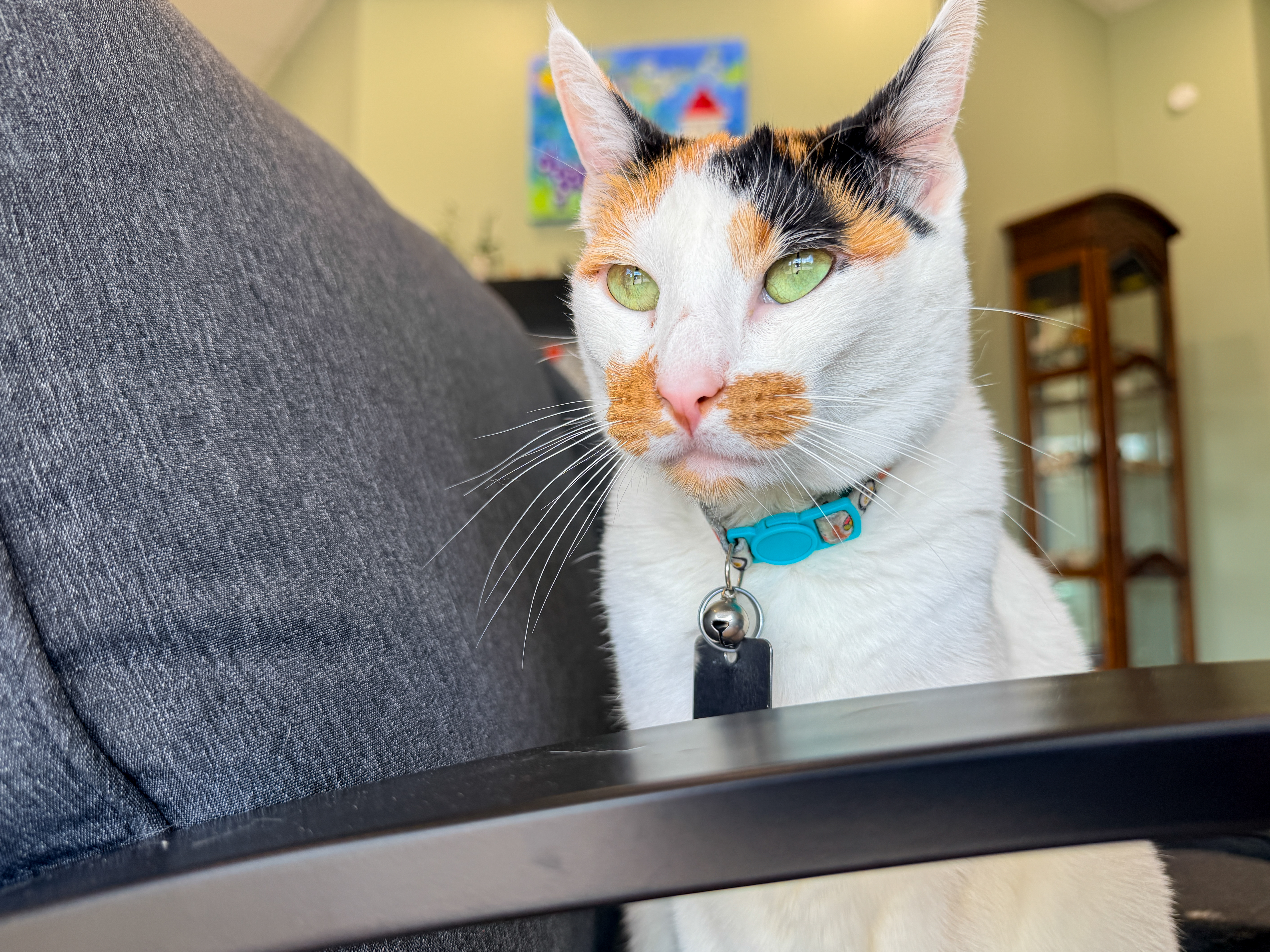

September 17th is National Pet Carbon Monoxide Safety Day, a crucial reminder for pet owners to safeguard their furry family members from an invisible, odorless, and tasteless threat. At Braescroft Animal Clinic, we want to ensure our clients are equipped with the knowledge to protect their pets from carbon monoxide (CO) poisoning, a preventable emergency that can turn fatal in minutes.
Because our pets are generally smaller and have faster respiratory rates than we do, they often show the signs of CO poisoning before the humans in the house even realize there is a problem. They cannot tell us if they have a headache or feel dizzy, making it our responsibility to recognize the danger before it's too late.
Common Sources of Carbon Monoxide
Carbon monoxide builds up indoors when fuel-burning appliances or equipment malfunction, are improperly vented, or are used unsafely. Common household sources include:
Gas stoves and ovens
Furnaces and space heaters
Fireplaces and chimneys
Portable generators (never use these indoors or in a garage)
Car exhaust in attached garages
Symptoms of Carbon Monoxide Poisoning in Dogs and Cats
The scariest aspect of CO poisoning is that its symptoms can often mimic other illnesses, such as the flu or food poisoning. If your pet exhibits any of the following signs—especially when multiple pets or humans in the house are feeling unwell—you must act quickly:
Lethargy or unusual sleepiness: Your pet is suddenly exhausted or unresponsive.
Nausea and vomiting: Sudden gastrointestinal distress without a clear cause.
Labored breathing: Rapid breathing, coughing, or struggling for air.
Uncoordinated movements: Stumbling, staggering, or sudden clumsiness.
Bright red gums or nostrils: While this "cherry red" discoloration is a classic hallmark of CO poisoning, it isn't always visible in every animal.
Seizures or collapse: These occur in severe, life-threatening cases.
How to Protect Your Pets from Carbon Monoxide
Preventing carbon monoxide poisoning in pets requires a mix of proper home maintenance and preparedness:
Install CO Detectors: Place carbon monoxide alarms on every level of your home, especially near sleeping areas. Remember, pets spend more time indoors than we do!
Test Alarms Weekly: Make testing your smoke and CO detectors a regular habit. Replace the batteries every six months and swap out the entire unit every 7 to 10 years.
Schedule Annual Maintenance: Have a qualified technician service your heating system, water heater, and any other gas-, oil-, or coal-burning appliances every year.
Have an Evacuation Plan: If your CO alarm sounds, do not wait or assume your pet is "just acting weird." Get everyone—including your pets—outside into fresh air immediately and call emergency services.
If you suspect your pet has been exposed to carbon monoxide, move them to fresh air instantly and seek emergency veterinary care.
Your pet’s safety starts with awareness. If you have questions about your pet's respiratory health or need to update their microchip in case of an emergency evacuation, contact us at Braescroft Animal Clinic today.


Comments